
Key Takeaways
- Inspection technology can organize photographs and measurements, but it does not replace safe physical access, close-up verification, or professional judgment.
- Thermal images show surface-temperature differences rather than moisture itself; suspicious patterns require confirmation with other methods.
- AI-assisted image review depends on image quality, model limits, and human verification, so automated labels should be treated as prompts rather than diagnoses.
- Aircraft-based capture requires qualified operation, suitable conditions, and applicable authorization; it is not included in Talya Roofing's current inspection scope.
- Talya Roofing's $250 documented homeowner inspection includes a physical assessment when safe, annotated condition photographs, AI-assisted image organization with human review, and a written report.
- Inspection documentation may support an insurance review, but coverage and payment decisions remain with the carrier.
The Future of Roof Inspections Is Here
Roof inspections have traditionally relied on visual observation, safe physical access, photographs, measurements, and professional judgment. New tools can help organize or add context to that evidence, but their usefulness depends on the property, conditions, equipment, and the person interpreting the results.
Talya Roofing's current documented homeowner inspection starts with a physical assessment when access and conditions are safe. It includes annotated condition photographs, AI-assisted image organization with human review, and a written report for properties in Savannah, Pooler, Richmond Hill, Tybee Island, and surrounding Coastal Georgia communities.
Aircraft-Based Roof Imaging: Benefits and Limits
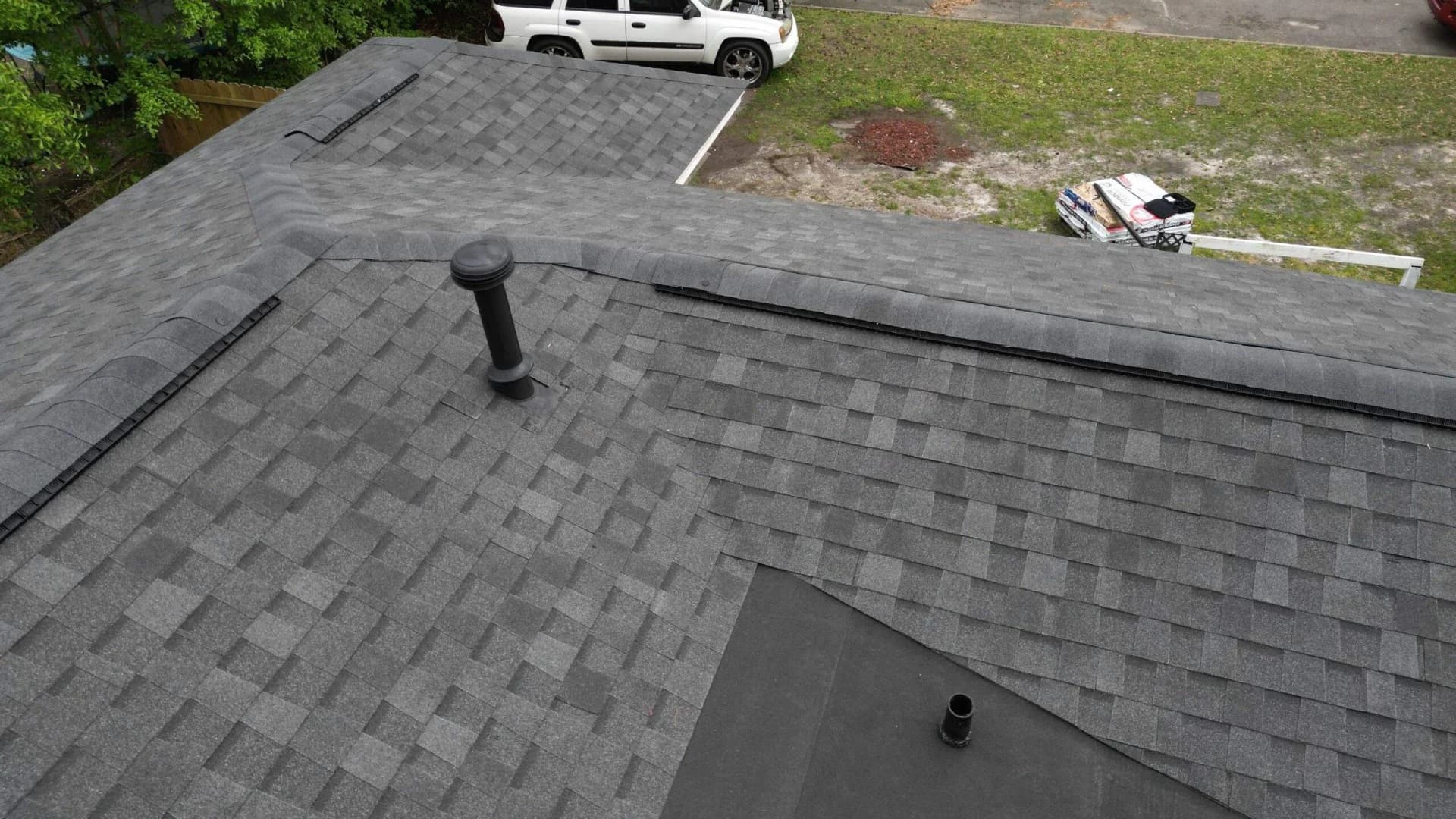
Qualified third-party operators may use aircraft-based cameras or sensors to provide broad roof views or measurement context. Those images cannot prove concealed conditions, replace tactile checks, or guarantee complete coverage. Commercial flight also depends on operator qualifications, airspace, weather, visibility, property access, and applicable FAA rules.
Questions to Ask Before Aircraft-Based Imaging
- Operator and authorization: Confirm who operates the aircraft, what qualifications and insurance apply, and whether the planned flight is permitted.
- Deliverables: Ask whether the service provides original photographs, an orthomosaic, measurements, or only a summary.
- Verification: Confirm how image-based observations will be checked through safe close-up or interior assessment.
- Limitations: Document roof areas, concealed conditions, and weather-related constraints that the imagery cannot resolve.
Where the Images May Help
- Context: Broad views can help show roof geometry and the relationship between slopes, valleys, penetrations, and drainage paths.
- Access planning: Images may help an inspector plan a safe route or identify areas that require a different method.
- Measurements: Legitimately obtained aerial measurements may support estimating, but field conditions and final quantities still require verification.
- Documentation: Time-stamped images can supplement a report; they do not determine insurance coverage, warranty eligibility, or repair scope on their own.
Thermal Imaging and Moisture Detection
Thermal imaging records surface-temperature patterns that may justify closer investigation. It does not directly see water or prove a leak, and results vary with sunlight, wind, recent rain, interior conditions, roof material, insulation, scan timing, and operator technique.
The Science Behind Thermal Imaging
Water retains heat differently than dry building materials. After sunset, dry roof areas cool at a predictable rate, while areas with trapped moisture retain heat longer because water has a higher thermal mass. Infrared cameras detect these temperature differentials, creating a visual map that shows exactly where moisture is present.
In Savannah's humid climate, a temperature anomaly may be useful supporting context, but it should be checked against visible conditions and, when appropriate, a separate moisture-testing method. Thermal imaging is not included in Talya Roofing's current documented inspection unless it is specifically quoted.
AI-Powered Damage Assessment
Artificial intelligence is increasingly used to organize roof photographs and flag possible patterns for human review. Performance varies by model, training data, lighting, image angle, roof material, and the condition being evaluated.
What AI Can Detect
- Shingle damage: Cracking, curling, blistering, missing shingles, and granule loss quantified by severity and location.
- Flashing issues: Lifted, corroded, or improperly sealed flashing around chimneys, vents, skylights, and wall transitions.
- Structural anomalies: Sagging, ponding indicators, uneven surfaces, and alignment issues suggesting structural problems below.
- Biological growth: Algae, moss, and lichen coverage mapped by density and location, indicating moisture retention zones.
- Gutter and drainage issues: Debris accumulation, sagging gutters, and improper drainage patterns identified from overhead imagery.
AI Accuracy and Limitations
No single accuracy percentage applies to every roof, image set, or condition. AI cannot assess adhesion, feel soft decking, verify concealed layers, or determine whether a visual pattern is functional damage. Talya Roofing uses AI only to assist image organization and review; a person evaluates the observations and prepares the written report.
Moisture Mapping Technology
Some specialists combine thermal patterns with visual findings to create a map of areas for further investigation. A color overlay alone cannot confirm moisture; verification may require a meter, core sample, interior observation, or another suitable method.
- Green zones: Dry, healthy areas with no thermal anomalies.
- Yellow zones: Areas with minor temperature differentials that warrant monitoring or closer investigation.
- Red zones: Higher-priority anomalies that still require confirmation before a roof repair scope is selected.
When properly verified, this information may help narrow the next diagnostic step. It does not guarantee the leak source, a particular repair, or cost savings.
IoT Roof Sensors: Continuous Monitoring
Internet of Things (IoT) sensors represent the next frontier in roof monitoring. Small, wireless sensors installed at strategic locations on and within the roof system provide continuous data on conditions that periodic inspections can miss.
What IoT Sensors Monitor
- Moisture detection: Sensors placed at vulnerable locations (valleys, penetrations, low-slope areas) detect the first signs of water intrusion and send alerts to the homeowner and contractor.
- Temperature monitoring: Sensors track attic temperature and surface temperature differentials that indicate ventilation problems, insulation gaps, or ice dam formation.
- Structural stress: Accelerometers detect unusual movement that could indicate wind damage, settling, or structural fatigue.
- Weather correlation: Sensor data can be compared with local weather records, but it does not establish cause, coverage, or the date of loss by itself.
Current Talya Inspection Scope and Price
- Documented homeowner inspection: $250 for the current scope described below.
- Included: Physical assessment when safe, condition photographs, AI-assisted image organization with human review, annotated photographs, and a written report.
- Not included: Commercial aircraft flight, aircraft-delivered thermal imaging, or a guaranteed insurance, warranty, repair-cost, or savings outcome.
- Separate services: Thermal imaging, monitoring hardware, laboratory testing, engineering, or third-party measurement products must be specifically quoted if needed.
Talya Roofing's Inspection Process
Our $250 documented homeowner inspection includes a physical assessment when safe, condition photographs, AI-assisted image organization with human review, annotated photographs, and a written report. Aircraft-based capture and thermal imaging are not included in the current scope.
We believe technology should make roofing services better, not more confusing. Every report we deliver is written in plain language with clear photos showing exactly what we found and what we recommend.
Request a Documented Roof Inspection
Get a physical assessment when safe, annotated condition photographs, human-reviewed AI-assisted image organization, and a written homeowner report for $250. The documentation may support an insurance review; the carrier and policy determine coverage and payment.