
Key Takeaways
- Salt air corrosion is the single biggest threat to roofing materials on Tybee Island and Wilmington Island — it accelerates metal fastener degradation, strips shingle granules, and attacks flashing at 3–5x the rate of inland roofs.
- Wind exposure on barrier islands demands high-wind rated roofing systems.
- Hurricane preparation starts with your roof — proper installation techniques like 6-nail patterns, sealed decking, and fortified ridge caps can mean the difference between minor damage and catastrophic failure.
- Material selection must account for the marine environment: stainless steel fasteners, high-wind shingles, and corrosion-resistant flashing are non-negotiable for coastal properties.
- Talya Roofing specializes in coastal roofing for Tybee Island, Wilmington Island, and all of Chatham County's barrier island communities.
The Coastal Roofing Challenge
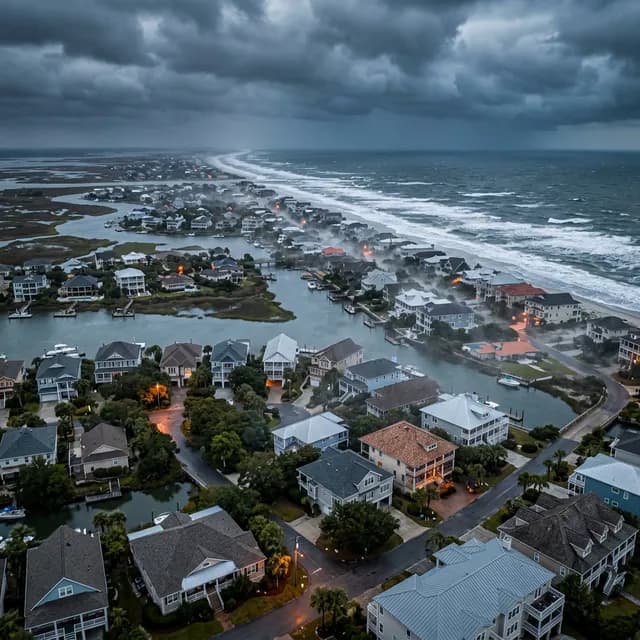
Living on Tybee Island or Wilmington Island means waking up to ocean breezes, marshland views, and a lifestyle that millions of Americans envy. It also means your roof takes a beating that mainland homeowners simply never experience. The combination of salt-laden air, sustained high winds, intense UV exposure, driving rain, and the ever-present threat of tropical storms creates a roofing environment that demands specialized materials, expert installation, and proactive maintenance.
At Talya Roofing, we've worked on barrier island properties across Chatham County for years. This guide shares the hard-won knowledge we've gained about what works — and what fails — on Tybee Island, Wilmington Island, and the surrounding coastal communities of Savannah.
How Salt Air Destroys Roofs
Salt air corrosion is insidious because it works slowly and invisibly until the damage is severe. Here's what happens to different roof components in a marine environment:
Fasteners and Nails
Standard galvanized roofing nails begin to corrode within 3–5 years in direct coastal exposure. As the zinc coating breaks down, the underlying steel rusts, expands, and loses holding power. During a high-wind event, corroded nails can pull through shingle tabs, turning your roof into a debris field. On Tybee and Wilmington Island, we exclusively use stainless steel or hot-dipped galvanized fasteners with a minimum G-90 coating — and we recommend stainless for any property within 1,500 feet of the waterline.
Flashing and Metal Components
Step flashing, drip edge, valley metal, and vent boots made from standard aluminum or galvanized steel will pit and perforate in coastal environments much faster than inland. We spec marine-grade aluminum, copper, or stainless steel flashing for all Tybee and Wilmington Island projects. The material cost is higher, but the alternative — flashing failure leading to water intrusion at every penetration — is far more expensive to repair.
Shingle Granules
Wind-driven salt particles act like fine sandpaper against asphalt shingles. Over time, this accelerates granule loss, exposing the asphalt mat to UV degradation. Coastal shingles lose granules 30–50% faster than identical shingles installed 20 miles inland. This is why we recommend premium architectural shingles with enhanced granule adhesion for island properties — and why regular inspections are critical.
Wind Exposure: Tybee and Wilmington Island Specifics
Barrier islands have virtually no wind buffer. When storms approach from the Atlantic, Tybee Island takes the full brunt before any topography or tree canopy can slow the wind. Wilmington Island, while slightly more sheltered by its marsh surroundings, still experiences significantly higher sustained winds than Savannah proper.
| Location | ASCE 7 Wind Zone | Design Wind Speed | Recommended Min. Shingle Rating |
|---|---|---|---|
| Tybee Island (oceanfront) | Zone 3 | Per permit (City of Tybee Island) | 150 mph (ASTM D3161 Class H) |
| Tybee Island (interior) | Zone 2–3 | Per permit (City of Tybee Island) | 130 mph minimum |
| Wilmington Island | Zone 2 | Per permit (Chatham County) | 130 mph minimum |
| Savannah (mainland) | Zone 1–2 | Per permit (City of Savannah or Chatham County) | 110 mph minimum |
Hurricane Preparation: Roof-Specific Steps
Chatham County's barrier islands are in mandatory evacuation zones for most hurricanes. But preparation starts long before evacuation orders are issued. Your roof's ability to survive a hurricane depends on decisions made during installation — not on tarps and sandbags applied in the 48 hours before landfall.
Fortified Installation Techniques
- 6-Nail Pattern: Standard shingle installation uses 4 nails per shingle. In high-wind zones, a 6-nail pattern significantly increases uplift resistance. Every Talya Roofing coastal installation uses the 6-nail method.
- Sealed Roof Deck: Before shingles go on, the entire deck should be covered with self-adhering ice and water shield membrane (not just at eaves and valleys). This creates a secondary waterproof barrier if shingles are lost during a storm.
- Enhanced Ridge Cap: Ridge caps are the most vulnerable point during high-wind events. We install high-profile ridge cap shingles with additional sealant and a reinforced nailing pattern at every ridge and hip.
- Drip Edge at All Perimeters: Properly installed drip edge prevents wind-driven rain from getting under the starter course. Georgia code requires drip edge at eaves; we install it at rakes as well for coastal properties.
Pre-Hurricane Season Checklist
- Schedule a professional inspection by May 1 — before the June 1 hurricane season start
- Replace any missing or damaged shingles immediately
- Inspect and reseal all flashing points
- Clean gutters and ensure downspouts discharge away from the foundation
- Trim all tree branches within 6 feet of the roof surface
- Photograph your roof from multiple angles for insurance documentation
- Review your insurance policy — confirm wind/hurricane coverage limits and deductible structure
Best Roofing Materials for Barrier Island Properties
Asphalt Shingles (With Coastal Specifications)
Premium architectural shingles remain the most popular choice on Tybee and Wilmington Island due to their balance of cost, aesthetics, and performance. For coastal installations, we specify shingles with SBS-modified asphalt (more flexible, better impact resistance), enhanced granule adhesion, and minimum 130 mph wind warranties. Brands like GAF Timberline HDZ, CertainTeed Landmark Pro, and Owens Corning Duration all offer coastal-suitable product lines.
Metal Roofing
Standing seam metal roofs are increasingly popular on the islands, especially for elevated homes and properties with low-slope sections. Metal offers superior wind resistance (140–160+ mph), reflects solar heat, and lasts 40–60 years. The key for coastal installations is material selection: Galvalume (aluminum-zinc alloy coated steel) with a Kynar 500 fluoropolymer finish resists salt corrosion far better than standard painted steel. Aluminum standing seam is another excellent option for oceanfront properties.
Synthetic Slate and Shake
For Tybee Island homes seeking a historic or upscale look, synthetic slate and shake products offer the aesthetics of natural materials with far superior wind and impact resistance. DaVinci Roofscapes and Brava Roof Tile both manufacture products rated for 110+ mph that won't crack, rot, or absorb water like natural slate or cedar shake.
Tybee Island Building Regulations
Tybee Island has its own municipal building codes and permitting requirements that are stricter than mainland Chatham County in several respects. Roof replacements require a permit, and the building inspector will verify compliance with the Florida Building Code high-velocity hurricane zone provisions that Tybee has adopted for wind resistance. Additionally, properties in the Tybee Island Historic District may face additional aesthetic review requirements. Talya Roofing handles all Tybee permitting and code compliance as a standard part of our service.
Wilmington Island Considerations
Wilmington Island homeowners benefit from slightly more wind protection than Tybee but still face salt air exposure, particularly in neighborhoods along the marshfront and Turner Creek. The island's mature tree canopy provides some wind buffer but creates its own challenges — heavy limb drop during storms, leaf and debris accumulation in valleys and gutters, and shade-moisture conditions that promote algae growth. We recommend algae-resistant shingles and regular maintenance schedules for Wilmington Island properties.
Coastal Roof Maintenance Schedule
| Task | Frequency | Why It Matters |
|---|---|---|
| Professional inspection | Annually (spring) | Catches salt corrosion, wind damage, and flashing failures early |
| Gutter cleaning | Quarterly | Prevents water backup and fascia rot |
| Tree trimming | Annually | Reduces debris impact and shade-related moisture |
| Post-storm inspection | After any named storm | Documents damage for insurance before temporary repairs mask evidence |
Island Property? Your Roof Needs Coastal Expertise.
Tybee Island and Wilmington Island roofs face distinctive salt-air, wind, and access considerations. Talya Roofing brings coastal project experience and property-specific material planning to island work. Request a complimentary project assessment and estimate.