

The Accelerating Challenge
NOAA's 2024 Climate Report confirms that global temperatures reached record highs, with coastal regions experiencing the most dramatic changes. For Coastal Georgia, this means more intense hurricanes, higher temperatures, and rising sea levels.
The Intergovernmental Panel on Climate Change (IPCC) projects that by 2050, coastal areas will face 2-3 times more extreme weather events, making roofing material selection critical for homeowner protection and financial security.
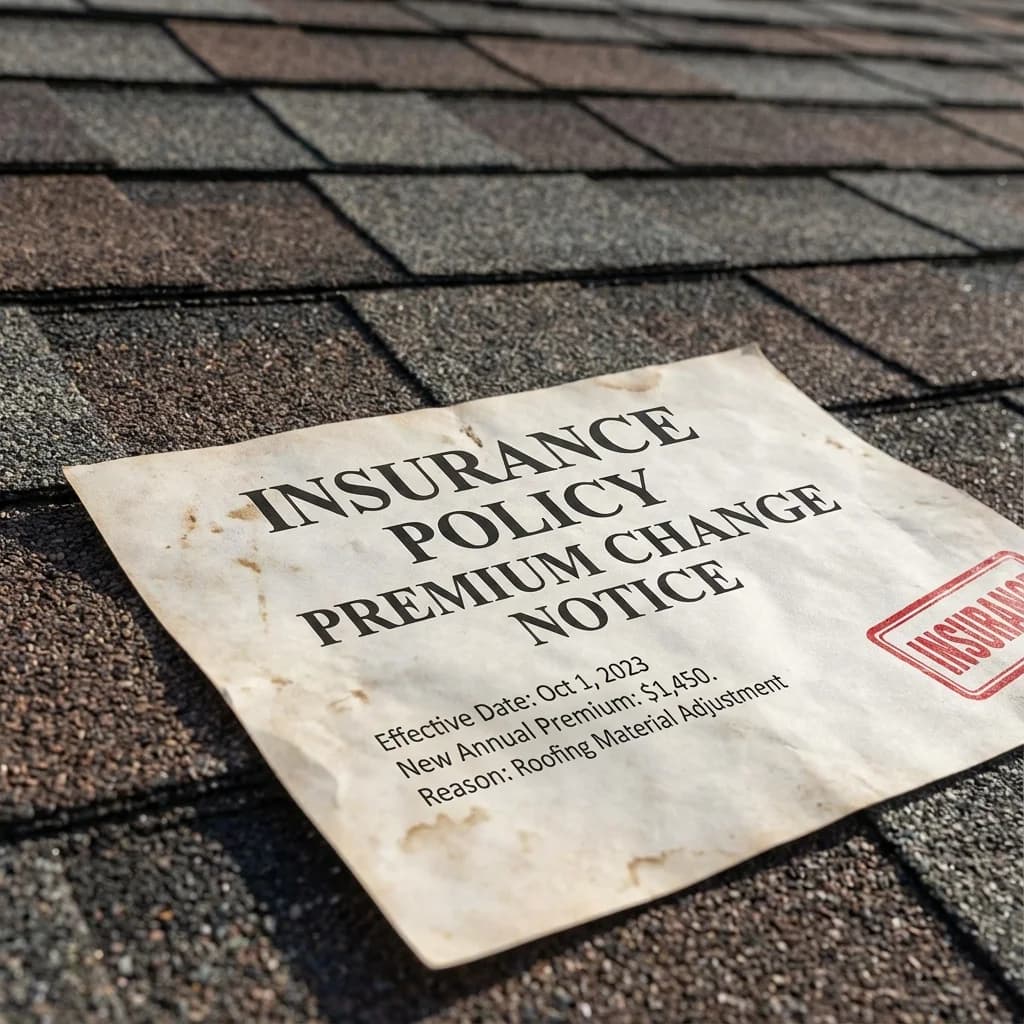
Insurance policy premium change notice on asphalt shingles
Stronger Hurricanes Demand Better Roofing
Research from the National Hurricane Center shows that warmer ocean temperatures fuel more intense hurricanes. The University of Edinburgh's climate research demonstrates that every 1°C increase in ocean temperature correlates with 10-15% stronger storm winds.
Average hurricane winds now 15-20 mph stronger than in 2000
Rising Temperatures and Material Performance
Category 4+ storms increased 78% in our region
Storms strengthen faster, giving less preparation time
Sea Level Rise and Coastal Construction
The Federal Emergency Management Agency (FEMA) now recommends that coastal properties install roofing systems rated for winds 25% higher than current building codes require.
Our storm restoration specialists have seen damage patterns change dramatically. Traditional asphalt shingles that would have survived Category 2 storms now fail in strong tropical storms due to increased wind speeds and debris impact.
Building Codes Adapting to Climate Reality
According to EPA climate indicators , Coastal Georgia has experienced a 2.1°F increase in average temperature since 2000. This seemingly small change has massive implications for roofing materials.
Data from Oak Ridge National Laboratory shows that asphalt shingles lose flexibility 40% faster in consistently higher temperatures, leading to cracking and premature failure.
Economic Impact and Insurance Considerations
The NOAA Sea Level Trends database shows that Savannah has experienced 0.98 feet of sea level rise since 1935, with acceleration in recent decades. The U.S. Geological Survey projects an additional 1-2 feet by 2050.
Research from the U.S. Climate Resilience Toolkit indicates that homes within 5 miles of the coast now experience salt spray effects that previously only affected properties within 1 mile. This expansion dramatically increases the need for corrosion-resistant roofing materials.
Climate-Adapted Roofing Solutions
The International Code Council's 2024 Climate Resilience Guidance acknowledges that traditional building codes may be insufficient for future climate conditions. Georgia has begun implementing forward-looking requirements.
New construction must meet Georgia DCA requirements for 140+ mph wind resistance in coastal counties, up from 130 mph in 2020.
Looking Ahead: 2030-2050 Projections
Class 4 impact resistance is now recommended (and required by some insurers) for all new roofing installations within 20 miles of the coast.
Updated requirements address increased humidity and heat, requiring improved attic ventilation systems to prevent moisture damage and reduce cooling loads.
2025 Climate Data for Coastal Georgia
Our team stays current with all evolving requirements. For code-compliant installations that exceed minimum standards, explore our residential roofing services .
The Insurance Information Institute reports that climate-related claims have increased 78% in coastal areas since 2015. The National Association of Insurance Commissioners warns that inadequate roofing systems may soon become uninsurable.
The Science Behind Stronger Storms
Upgrading to climate-resilient roofing materials isn't just about storm protection—it's about maintaining insurability and protecting your investment. Our insurance claims specialists work directly with carriers to ensure you get maximum coverage and available discounts.
Standing seam metal roofing with marine-grade coatings offers the best long-term performance in changing climate conditions.
Material Degradation Acceleration
Learn more about our metal roofing installations .
Class 4 impact-resistant architectural shingles provide excellent performance for budget-conscious homeowners.
Impact on Roofing Systems
Self-adhering waterproof membranes provide critical backup protection against wind-driven rain.
Climate modeling from NASA's Goddard Institute for Space Studies projects continued warming trends for our region. The U.S. Global Change Research Program forecasts increasingly challenging conditions.
New Requirements for Coastal Georgia
Additional 3-5°F increase expected
1-2 feet additional rise projected
Insurance Premium Changes
Category 5 storms may become normal
Investing in climate-resilient roofing today protects against tomorrow's more severe conditions. Our team designs systems that meet not just current requirements, but anticipated future challenges. This forward-thinking approach ensures your roofing investment remains effective throughout its entire lifespan.
Recommended Materials for Coastal Georgia
Don't wait for the next storm to discover your roof's vulnerabilities. Our climate-informed approach ensures your roofing system is designed for the realities of coastal Georgia's changing environment.