
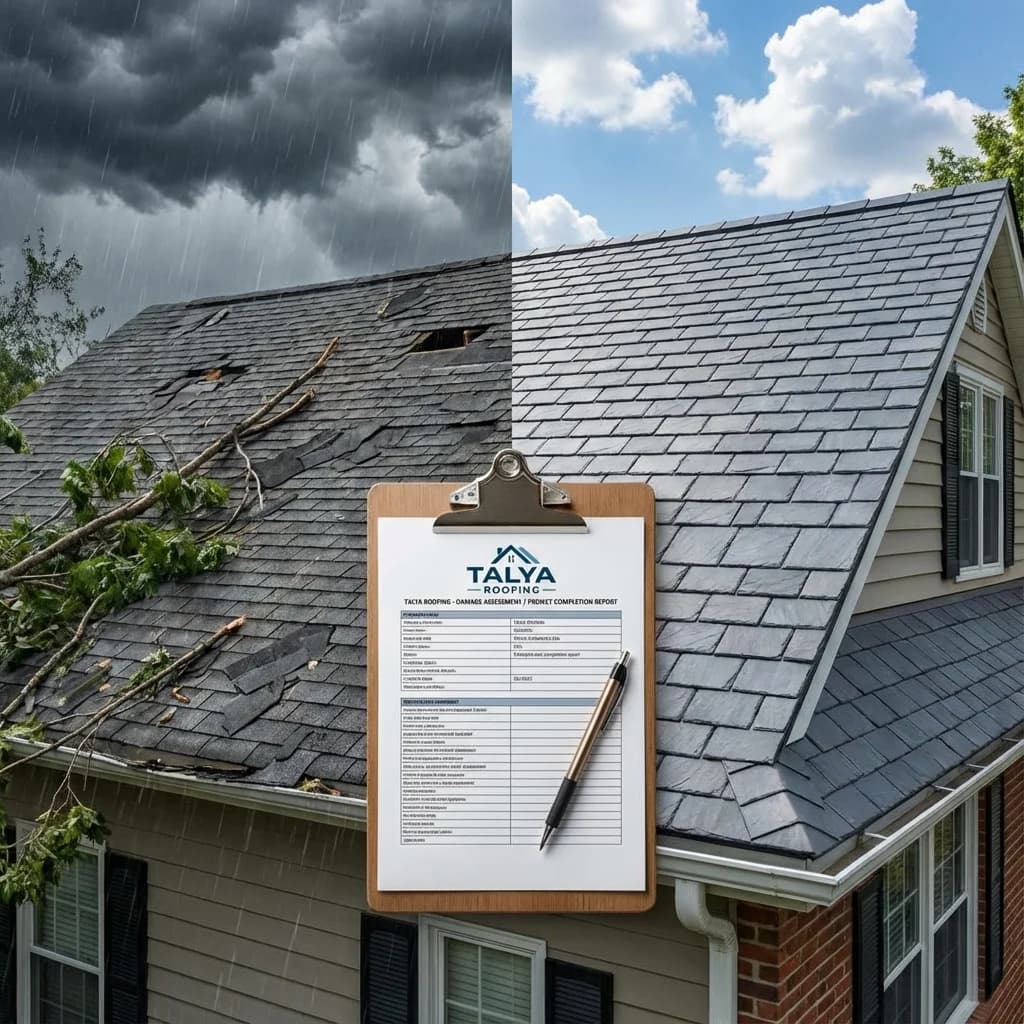
Documentation Best Practices
Georgia's location in the Southeast storm corridor means homeowners regularly face severe weather that can devastate roofing systems. From hurricane-force winds along the coast to destructive hail storms inland, understanding how to properly file and pursue insurance claims can mean the difference between full roof replacement and costly out-of-pocket repairs. For pre-storm steps, save our Hurricane Roof Prep Checklist and see current Savannah Roof Repair Costs (2025) when budgeting.
Insurance companies process thousands of storm damage claims annually in Georgia, and their primary goal is minimizing payouts while maintaining legal compliance. As a homeowner, your goal is securing fair compensation for legitimate damage. This creates an inherent tension that requires knowledge, preparation, and often professional assistance to navigate successfully.
Our experience handling hundreds of insurance claims in Coastal Georgia has revealed consistent patterns in how claims are evaluated, what documentation carriers require, and which strategies result in favorable settlements. This guide distills over two decades of claim experience into actionable steps that protect your interests throughout the process.
Take photos from multiple angles and distances. Include reference objects (coins, rulers) for scale. Date and timestamp all photos. Store copies in multiple locations including cloud storage.
Pro Tip: Video walkthroughs with narration provide excellent supplemental documentation that shows damage context and extent.
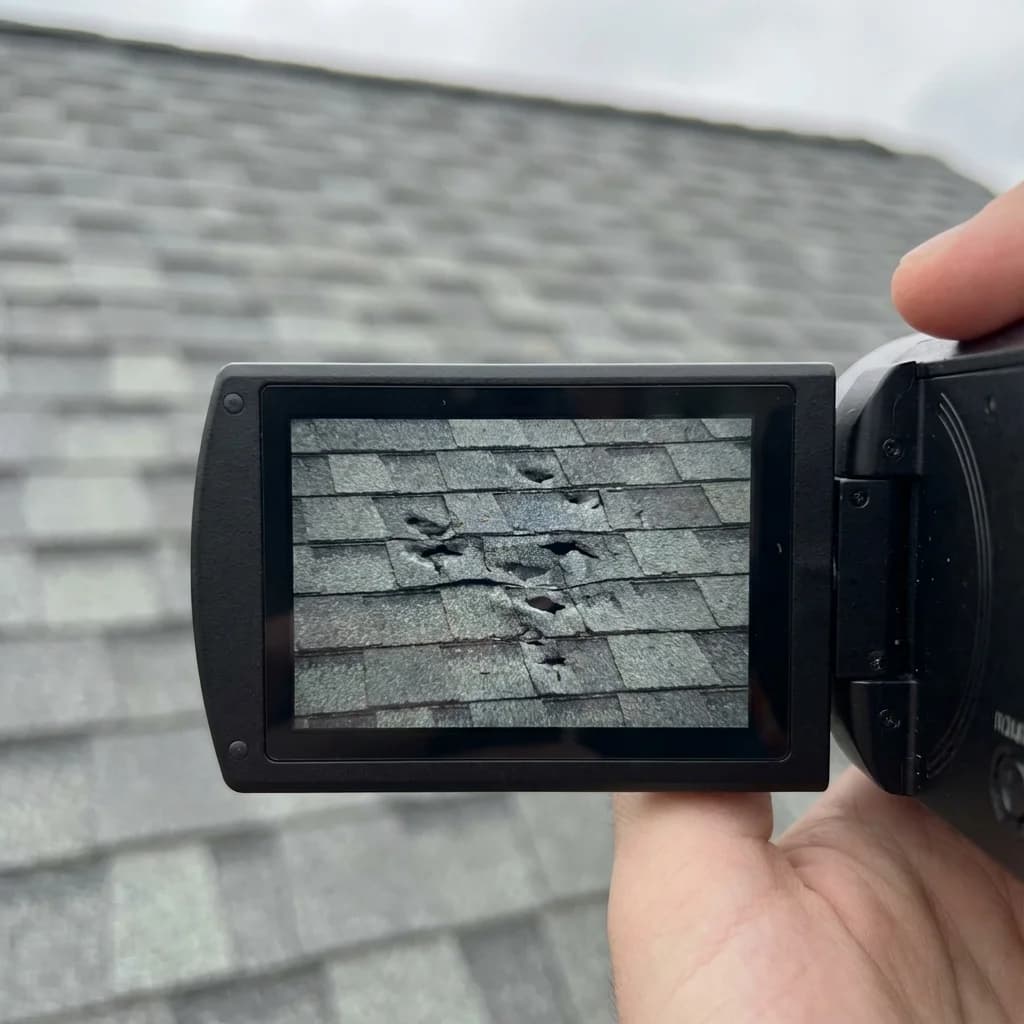
Digital camera documenting hail damage on roof shingle
Expert Insurance Claim Assistance
Experienced roofing contractors familiar with insurance claim processes provide invaluable assistance. They understand what adjusters look for, how to document damage properly, and which building code requirements affect claim settlements.
Important: Choose contractors who work directly with insurance companies and have a proven track record of successful claims. Avoid contractors who promise to "handle everything" or waive deductibles, as these practices often lead to claim complications.
Consider consulting with an attorney specializing in insurance law if your claim is denied, significantly underpaid, or if the insurance company acts in bad faith. Many attorneys work on contingency for insurance claim disputes.
Georgia's statute of limitations for insurance claim lawsuits is typically 2-6 years depending on your policy terms, but acting quickly protects your rights and preserves evidence.
Don't navigate the complex insurance claim process alone. Our team has successfully handled hundreds of storm damage claims in Georgia, ensuring homeowners receive fair compensation for their losses.